

WELCOME TO PROF. DR. GOPEN KUMAR KUNDU
BEST CHILD NEUROLOGIST IN BANGLADESH
About Me....
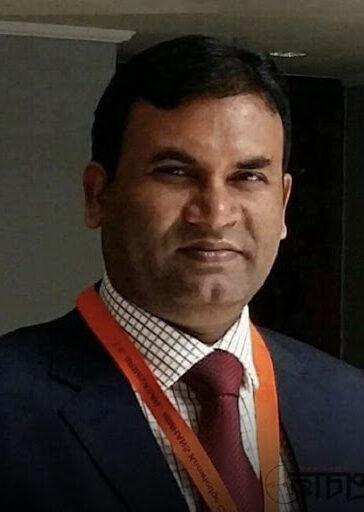
I am Professor Gopen Kumar Kundu. I have passed MBBS from Sir Salimullah Medical College, Dhaka in January, 1997 and passed DCH in July, 2001 from BMU. I have completed fellowship in Paediatrics (FCPS) on January 2010. Then I obtained MD (Doctor of Medicine) degree in Paediatric Neurology from Bangladesh Medical University (BSMMU).
Genuine Commitment
To Your Child Health.
Health Tips
Child health and awareness are essential for building a strong and healthy future generation. Through my videos on different platforms, I aim to educate parents and caregivers about proper nutrition, hygiene, vaccination, and early detection of illnesses. Many childhood diseases can be prevented with the right knowledge and timely care. I also focus on mental well-being, encouraging a supportive and loving environment for children to grow. These videos are simple, informative, and practical for everyday life. By spreading awareness, we can reduce child health risks and ensure every child gets the opportunity to live a happy, healthy, and safe life.
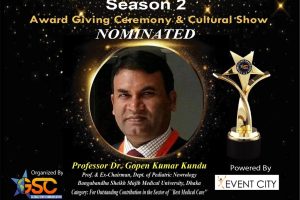
This photo reflects my active involvement in child health initiatives, where I have attended various conferences, seminars, and awareness programs. It highlights my dedication to learning, sharing knowledge, and contributing to the improvement of child healthcare. Being recognized and awarded in these events motivates me to continue working for children’s well-being. Each participation has strengthened my understanding of critical issues such as nutrition, vaccination, and early disease prevention. Through these experiences, I aim to spread awareness and inspire others to prioritize child health. This journey represents my commitment to making a positive impact on the lives of children and their families.
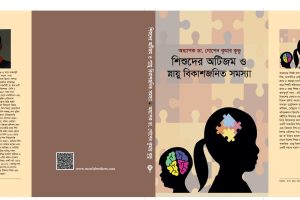
My published book on child health and medical students reflects my commitment to improving pediatric awareness and education. It is designed to guide both aspiring medical professionals and general readers in understanding essential child health topics, including nutrition, growth, vaccination, and early disease management. The book presents complex medical concepts in a simple, practical way, making it accessible for learners at different levels. It also highlights real-life experiences and case-based insights to enhance understanding. Through this work, I aim to support medical students in their learning journey and promote better healthcare practices for children in communities everywhere.
Practice Area
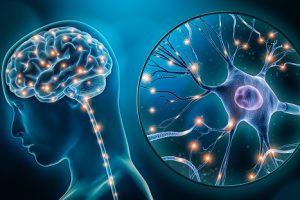
Neurology
Many patients have an appointment with the neurologist because they are referred by their GP after making a preliminary diagnosis of a possible neurological problem. Neurological physical examination is also performed and often, the entire process is based on complementary or diagnostic tests.
Autism
Autism spectrum disorder (ASD) is a neurological and developmental disorder that affects how people interact with others, communicate, learn, and behave. Although autism can be diagnosed at any age, it is described as a “developmental disorder” because symptoms generally appear in the first 2 years of life.
Stroke
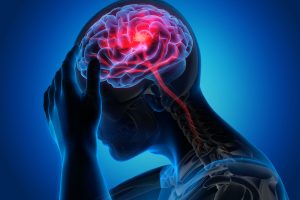
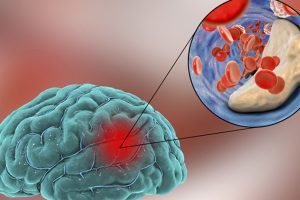
When stroke impacts the person, he may find difficulties in speaking or understanding other’s speech. Along with that, drooping on one side of the face, muscle weakness, arm weakness on one side of the body, or an uneven smile is recognized as one of the major symptoms of stroke in men. If you find such kinds of stroke symptoms in men, make sure to seek immediate medical attention.
Cerebal Palsy
Cerebral palsy is due to damage to the developing brain during pregnancy, birth, or shortly after birth.
Cerebral palsy affects people in different ways and can affect body movement, muscle control, muscle coordination, muscle tone, reflex, posture, and balance. This disability is a lifelong condition, and it’s different for everybody.
Movement Disorder
The term movement disorders refers to a group of nervous system (neurological) conditions that cause either increased movements or reduced or slow movements. These movements may be voluntary or involuntary. Common types of movement disorders include: Ataxia, Cervical dystonia, Chorea, Dystonia, Myoclonus, Tremor, Parkinsonism.
Epilepsy
A person is diagnosed with epilepsy when they has two or more unprovoked seizures that occur more than 24 hours apart. But when something provokes a seizure, such as binge drinking, sleep deprivation or a new medication, these are not related to epilepsy.
গুরুত্বপূর্ণ আর্টিকেলসমূহ
বিশেষ শিশুদের জন্য করণীয়
অধ্যাপক ডা. গোপেন কুমার কুণ্ডু , চেয়ারম্যান, শিশু নিউরোলজি বিভাগ, বঙ্গবন্ধু শেখ মুজিব মেডিক্যাল বিশ্ববিদ্যালয় । বিশ্বের প্রায় সব দেশেই এখন কভিড-১৯ ছড়িয়ে পড়েছে। করোনাভাইরাস বড়দের পাশাপাশি শিশুদেরও সংক্রমিত করে জীবনযাত্রাকে...
Read Moreঅটিজম ও স্নায়বিকাশজনিত শিশুদের নিন বাড়তি যত্ন
অটিজম ও অন্যান্য স্নায়বিক বিকাশে সমস্যাবিষয়ক রোগব্যাধি যেমন অটিজম, সেরেব্রাল পালসি, ডাউন সিনড্রোম, বুদ্ধিমত্তা কম ইত্যাদি শিশুদের রোগ প্রতিরোধ ক্ষমতা বেশ কম থাকে। তারা নিজেদের রোগ ব্যাধি বা সংক্রমণের হাত...
Read Moreডাউন সিনড্রোমে ভোগে দেশের ২ লাখ শিশু
ডাউন সিনড্রোম সম্পর্কে মানুষকে সচেতন করতে ২১ মার্চ বিশ্ব ডাউন সিনড্রোম দিবস পালন করা হয়। ২০০৬ সাল থেকে বিশ্বব্যাপী প্রতিবছর দিনটি পালিত হয়ে আসছে। বাংলাদেশে গত কয়েক বছর সরকারিভাবে ডাউন...
Read MoreYour Child Best Treatment
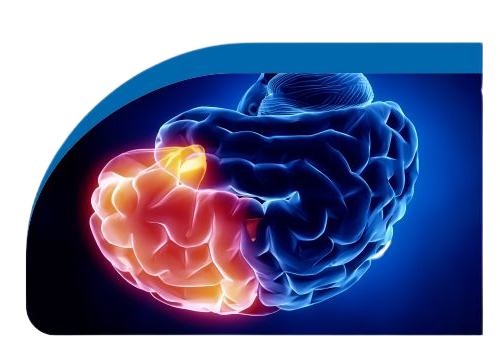
I will do my best to provide all kinds of neurological treatment for your child. Identifying neurological problems at the right time can make your child’s life normal by following the right directions.
So if you look at the child’s behavioral, emotional, speaking at the right time, etc., take the advice of a good pediatric neurologist today.